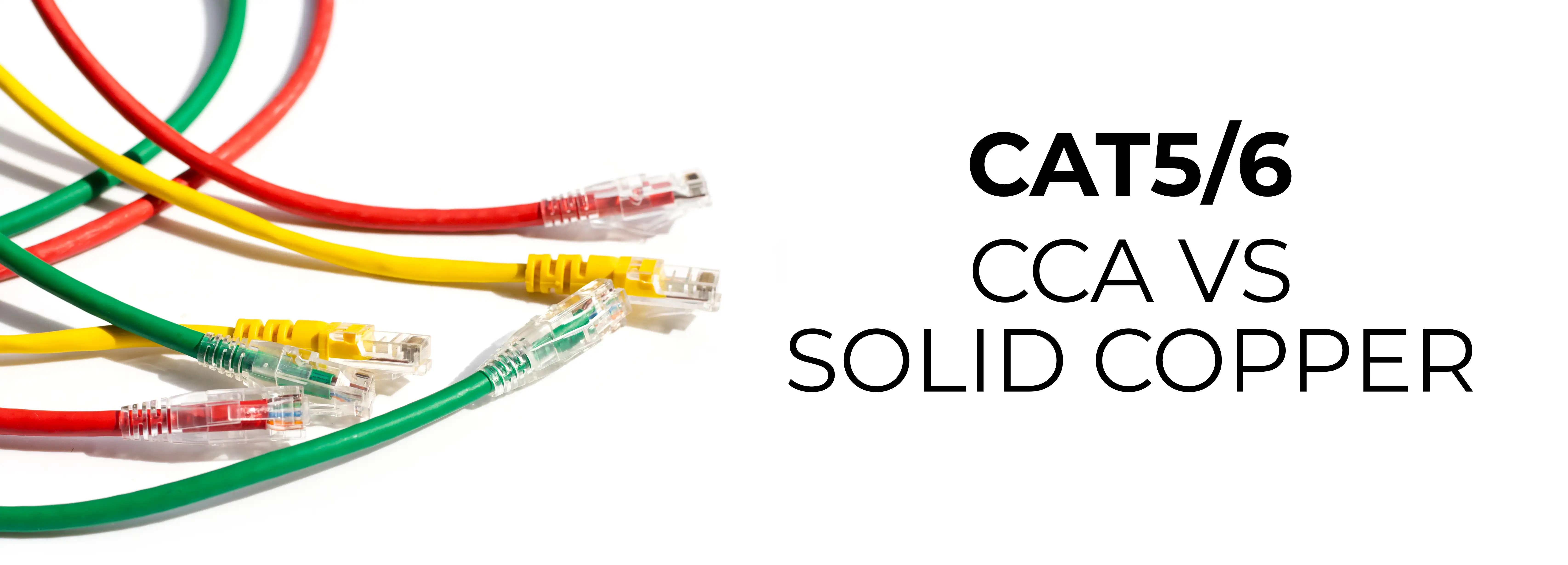


Why CCA Cable Should Never Be Used for CCTV Installations
When planning a CCTV system, every component matters-including the cable. You might come across "Copper Clad Aluminum" (CCA) Ethernet cable being sold as a cheap alternative to solid copper Cat5e or Cat6. It might even claim to be compliant with network standards or display certifications.
But here's the bottom line: CCA is not safe or reliable for CCTV installations.
So, What Is CCA?
CCA stands for Copper Clad Aluminum. It's made by coating aluminum wire with a thin layer of copper. While it may look like solid copper cable from the outside, the performance and safety risks are very different.
This design compromises both performance and safety.

Why CCA Is a Bad Choice for CCTV Systems
CCTV cameras often rely on Ethernet cable for both data and power—especially with PoE (Power over Ethernet) setups. Using CCA in this context can lead to serious issues:
- Power Loss Over Distance:
CCA has higher electrical resistance than pure copper, which means voltage drops over long runs. That can lead to cameras failing to turn on, rebooting randomly, or cutting out under load (like when switching to night vision). (trueCABLE, 2023) - Unreliable Video Signal:
Weak signal integrity can cause video feed distortion, dropouts, or lag, especially on higher-resolution cameras or longer cable runs. - Heat Build-Up = Fire Risk:
Higher resistance also causes excessive heat, which is dangerous when PoE is involved. Over time, this can damage equipment-or worse, cause a fire. (Cablenet.co.uk, 2018)
- Poor Longevity:
Aluminum oxidizes rapidly when exposed to air at the termination point. Oxidation on the conductor leads to poor connections, intermittent faults, and eventual failure. Copper doesn’t have this problem.

CCA Cable Can Void Warranties and Fail Inspections
Using CCA for CCTV-especially in commercial or public spaces-is not up to code. It's not approved for Ethernet use by the NEC (National Electric Code), and may void your equipment warranty. If an inspector finds CCA in your installation, it could mean a complete rip-out and replacement.
How to Tell if You're Buying CCA
Watch out for misleading product labels. CCA cable is often sold as "Cat5e" or 'Cat6' and may even list fake certifications.
- Feel the Weight:
CCA cable is noticeably lighter than solid copper due to the aluminum core. - Do a Scratch Test:
Strip back the wire and scratch the conductor. If it reveals a silver-colored core, it's aluminum-not copper. - Too Cheap to Be True:
If a 1000ft box of "Cat6" cable is selling far below the market average, it's likely CCA.
Best Practices for CCTV Cabling
- Use 100% Solid Copper Ethernet Cable for all camera runs, especially with PoE.
- Stick with Trusted Suppliers who disclose their specs honestly.
- Avoid generic or no-name brands making vague performance promises.
Conclusion: Protect Your CCTV Investment
Your CCTV system is only as strong as its weakest link-and using CCA cable can cause critical failures when you need your cameras the most. Solid copper cable may cost a little more upfront, but it ensures reliable power delivery, consistent video signal, and long-term system performance.